Éva De Niro
The tango, born of hardship, struggle and aspiration, evolved as a dance so intense and intimate that it tempted and terrified in equal measure.
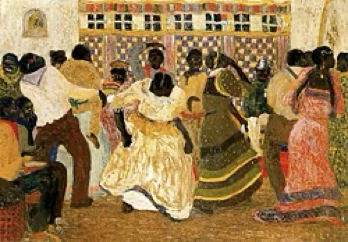
Buenos Aires’ port neighbourhood La Boca is tango’s ground zero. In this working-class ghetto, geographical positioning, class dynamics and societal expectations combined to nurture the tango’s emergence in a way that could not have happened in a higher class city district or rural location. Tango’s unique fusion of African candombe rhythms, Spanish flamenco and other folk traditions would have been impossible without the cultural diversity of the port neighbourhoods.
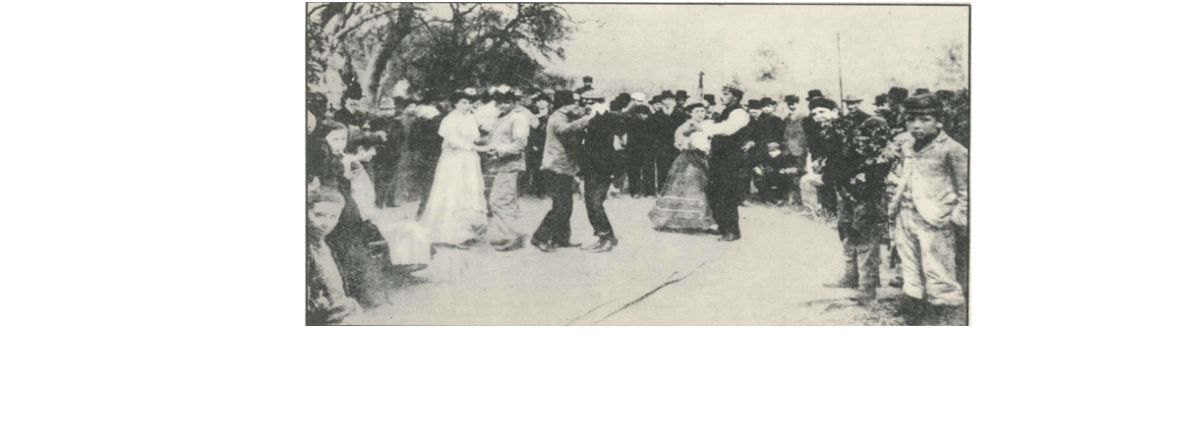
The Argentine tango emerged in bars and brothels within these neighbourhoods. It thrived with the mass immigration, booming agricultural trade, modernisation and expansion of Buenos Aires and Montevideo.1 Around 220,000 immigrants settled in Buenos Aires in 1889, with around a thirdbeingItalian.
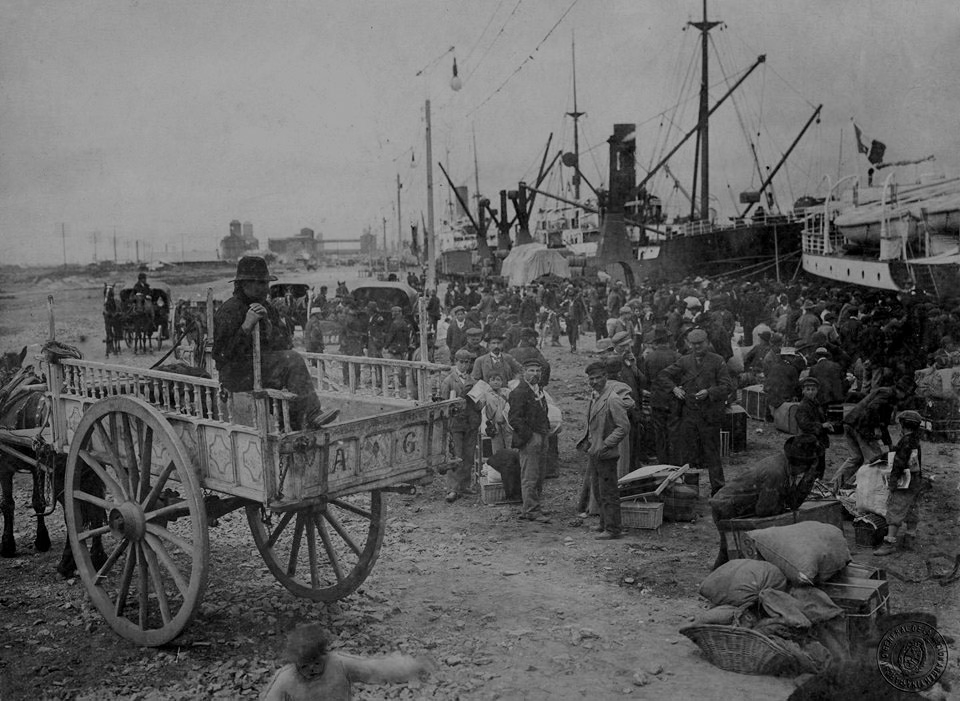
This huge influx made Buenos Aires the biggest city in South America.2 It became the land of opportunity for merchants, travellers and immigrants who all brought their own dances, musics and traditions with them. It created a breeding ground for a fusion of styles: this then was fertile terrain for the tango, which could not have been the case in the countryside, with its lower levels of immigration and diversity.
Social mobility was barely a feature of the evolving porteño metropolis. You were born into a class and were expected to stay there. The pastimes which the lower classes created to entertain themselves evolved independently from the social hierarchy. The upper classes, clinging to the established order of European society (‘Victorian values’), would have regarded the scandalous intimacy of the tango as proof of the labouring classes’ social inferiority. It took decades for them to recognise and acknowledge the artistic qualities of the new dance, their curiosity piqued by the stories they heard from merchants passing through the ports on their way to meet the financiers and landowners with whom they transacted their business.

Given its origins among the lonely and the impecunious, the tango also evolved bearing a stamp of nostalgia and despair. While this aspect of tango may have counted as a stigma in the eyes of the social elite, it became part of tango’s appeal to those far from home looking for an emotional release from the hardships of life. It also meant that, as the dance travelled up through society, becoming ever more sophisticated and distinct, it mutated from scandalous to socially acceptable. Ironically, it eventually travelled via these same port neighbourhoods to Europe, where it won, and continues to win, legions of admirers thanks to its high skill levels and evocative moods.
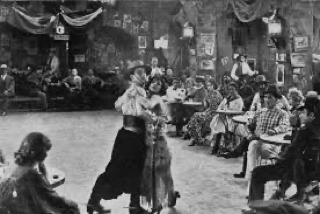
To conclude, this dance could only really have coalesced in the port neighbourhoods, with their perfect geographical position on the boundary between cultures and realities for those who danced the first steps. These barrios were potent hotspots for cultural fusion to occur, socially and economically. The people were poor and lonely, and expressed their longings in the way they needed to escape from their lives of hardship. The impassioned tango was their response.
- Apprill, Christophe and Doehr, Estelle. “Tango’s Journey From a Río de la Plata Dance to a Globalised Milonga.” Apr 14, 2024. Accessed September 2, 2025. https://hal.science/hal-04545685v1 ↩︎
- Apprill, Christophe and Doehr, Estelle. “Tango’s Journey From a Río de la Plata Dance to a Globalised Milonga.” Apr 14, 2024. Accessed September 2, 2025. https://hal.science/hal-04545685v1 ↩︎

