¡Bienvenidos al Boletín de Otoño de 2026!
Welcome to our Autumn 2026 edition – the start of our tenth year of publication.
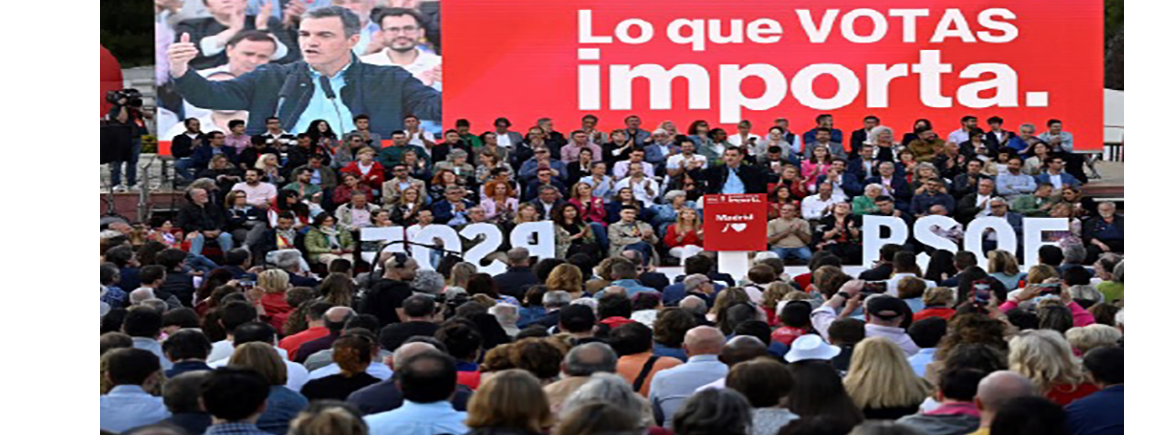
It looks like being a lively autumn in Spain, with Prime Minister Sánchez choosing the scheduled launch date for this edition of the Bulletin to call early elections. We have stoically adjusted our coverage of Spanish politics in accordance with the Prime Minister’s convenience, as revealed Behind the scenes at the Bulletin.

Colombia’s election cycle ran a few months ahead of Spain’s. We assess Colombia’s new ‘outsider’ president, the self-styled El Tigre, and the likely repercussions of his presidency. (In both Spanish and English.)
The same liberal v conservative divide that we see in Colombia’s 2026 election is played out in the century-old setting of the Netflix adaptation of Gabriel García Márquez’s Cien años de soledad / One hundred years of solitude. García Márquez biographer and BAS Editor Stephen Hart evaluates the balance between magical realism and politics in the novel’s adaptation to the small screen.

As if the Cien años adaptation weren’t treat enough, August also saw Almodóvar’s new film Amarga Navidad / Bitter Christmas released in the UK (it came out in Spain last March). One critic claims that ‘the usual pleasures of Almodóvar’s film-making are present, correct and running smoothly’. Another calls it ‘muddled’. We assess who’s right, and include an ‘Extra’ section to look at some key techniques that are hallmarks of Almodóvar’s style of film-making.
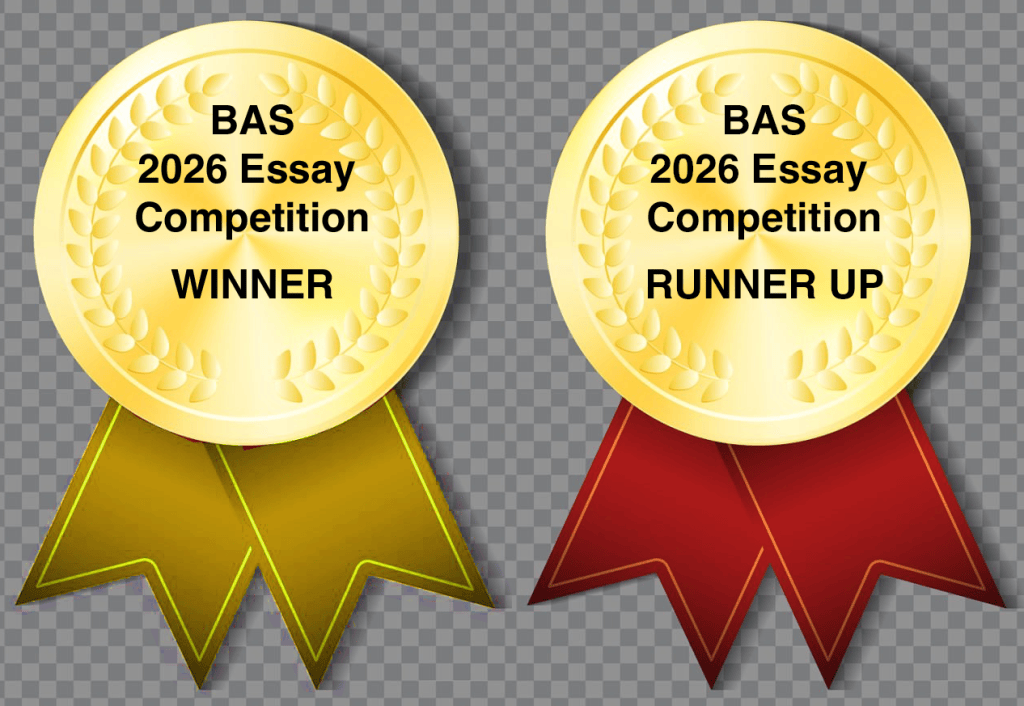
The main treat of our Autumn editions since 2022 has been the announcement of the winning entry in the Bulletin of Advanced Spanish / University of Glasgow Sixth Form Essay Competition. In addition to the Judges’ Report on this year’s round, we publish both the winning entry and the runner-up – two very different Barcelona stories.
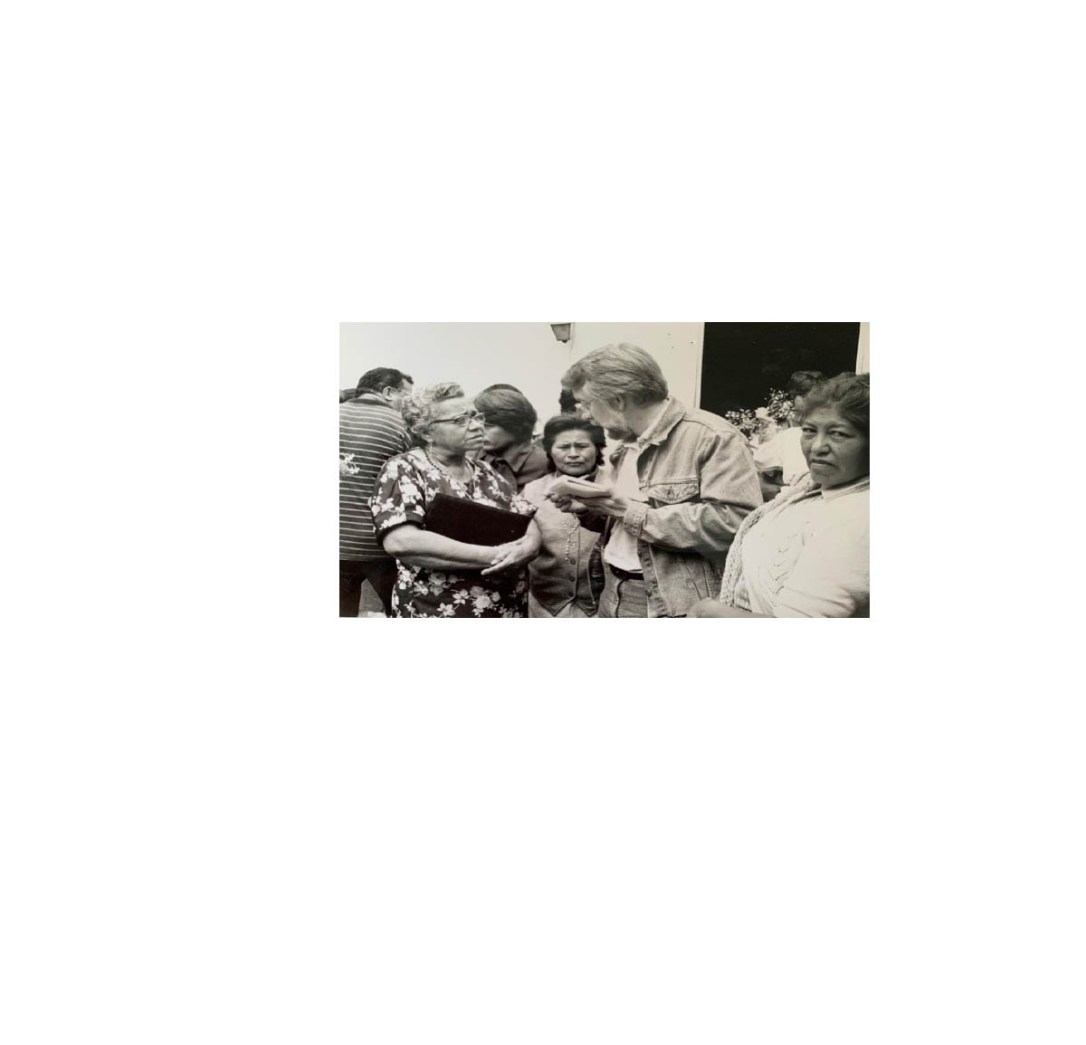
Some of those who have fared well in our Essay Competition in recent years may follow the footsteps of former Times and Independent correspondent Colin Harding, who in this edition recounts the adventurous career pathway down which his qualifications as a Spanish-speaker led him.
Another distinguished journalist, William Chislett, looks at what the latest PISA scores tell us about standards of education in Spain compared to other developed nations.

He also reviews the latest book releases on former King Juan Carlos and on Adolfo Suárez, the King’s Prime Minister and fellow architect of the transition from dictatorship to democracy.
The Bulletin of Advanced Spanish is a free, online resource, which is read on every continent. It is written by and for enthusiasts at all stages of their exploration of the language and culture of the Spanish-speaking world. Might you like to join our team? You can contact us via the tab above.
Please see the Guidelines tab if you would like to write for us. Articles for our Spring edition should please reach us by 25 January 2027.
Felices Navidades,
The BAS editorial team