BAS/UoG Sixth Form Essay Competition Runner-Up 2026
Sasha Parashar, currently in IBDP Year 1, studying Spanish Ab Initio and planning to study medicine at university, writes: “I have always been fascinated by Spanish culture, the language, the music and especially the sports. When choosing a topic for this competition, I wanted to merge my passion for medicine with my interest in Spanish, leading me to the extraordinary history of Dr Frederic Durán-Jordà. The idea that a team of doctors could look at the chaos of a frontline battlefield in 1936 and innovate a mobile blood-banking system using modified fish trucks completely fascinated me, demonstrating how medical breakthroughs are often forged in times of immense crisis.
In 1936, as Fascist bombs tore through the streets of Barcelona, the greatest weapon of Spain was not a rifle, but a fleet of modified refrigerated fish trucks carrying thousands of litres of human blood.
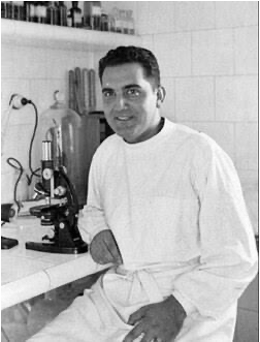
Faced with the horrific reality of thousands of wounded soldiers bleeding to death before ever reaching a hospital, Dr Frederic Durán-Jordà realised that saving lives required changing the very geography of emergency medicine. He organised everyday citizens into a mass donation network and engineered a pioneering system of mobile cold-storage logistics. Durán-Jordà didn’t just alter the course of battlefield survival in Spain; he laid the blueprint for the modern blood-banking systems that would save the global healthcare system just a few years later.
Before this medical breakthrough, getting a blood transfusion was a logistical nightmare, especially in a war zone. Doctors relied on what was called direct transfusion. If a soldier was hit by shrapnel, a healthy person with the right blood type had to lie down right next to them in the mud. The doctor would run a rubber tube directly between their veins. You simply could not do this in the chaos of modern warfare. The air was thick with smoke, dirt, and artillery fire. Medical stations were frantic and dirty, and you could not risk the life of a healthy donor by bringing them into the firing line.
Blood itself created another problem. It naturally clots soon after leaving the body. Without a way to preserve it, doctors could not collect blood in advance and simply keep it for later. Soldiers with bad wounds faced a terrifying reality: they could bleed to death during the long, bumpy ambulance rides back to the city hospitals. A soldier could survive the initial blast and still die before reaching someone who could save them.
Durán-Jordà looked at this crisis and flipped the entire problem on its head. If the soldiers could not get to the blood, the blood had to go to the soldiers.
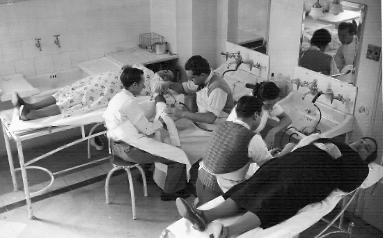
He built the Barcelona Blood Transfusion Service by asking regular people to help. The response was massive. Thousands of ordinary citizens lined up to give blood, often for people they had never met. In a city being torn apart by war, this became a simple but powerful act of solidarity. One person gave some of their own blood so that someone else might survive.
But collecting the blood was only half the battle. Durán-Jordà had to keep it from clotting and make sure it could survive the journey to the front.
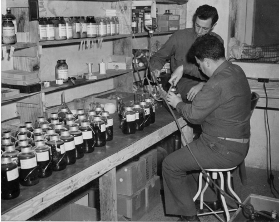
His solution was sodium citrate. Mixed with donated blood, it prevented clotting and allowed the blood to be stored in specialised glass bottles. This was a huge change. Blood no longer had to travel directly from a donor into a patient. It could be collected beforehand, stored and transported. Doctors could now have blood ready before the wounded arrived.
Then came the most famous part of his plan.
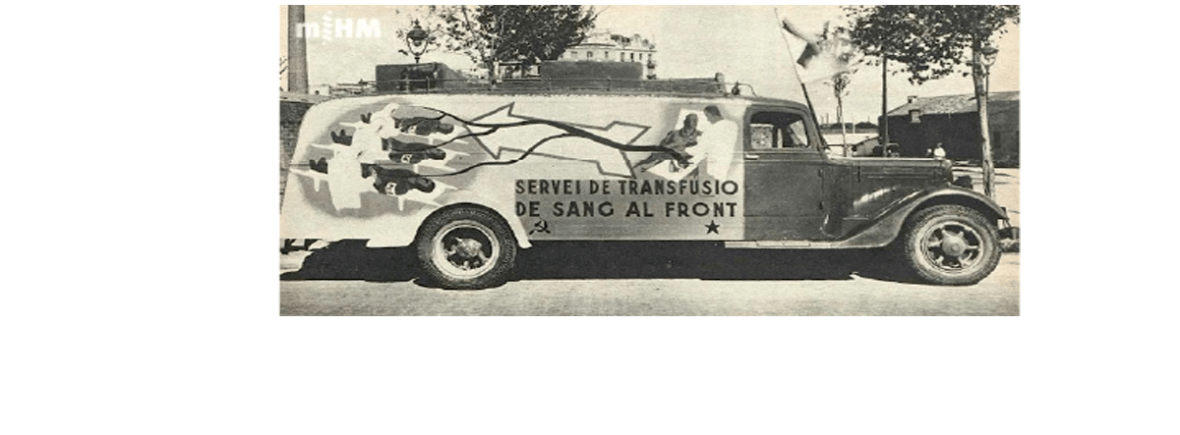
Durán-Jordà took ordinary trucks that local businesses used to haul fresh fish from the coast and turned them into mobile refrigerators. These modified fish trucks drove through the night, navigating damaged roads and the dangers of war, to deliver chilled blood closer to the front lines.
It sounds strange; trucks that normally carried fish were now carrying blood. But that was exactly the point. Durán-Jordà did not need some futuristic machine. He took technology that already existed and found a completely new use for it.
The effect on battlefield medicine was enormous. Medics no longer had to desperately find a suitable donor when a soldier was already dying. The blood could already be there, waiting. A wounded soldier could receive a transfusion much sooner, sometimes before reaching a city hospital. Injuries that had once been a death sentence suddenly became treatable.
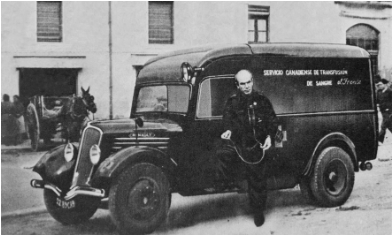
The system quickly attracted attention beyond Barcelona. Dr. Norman Bethune, a Canadian volunteer doctor, saw what was happening and developed a similar mobile blood transfusion service to support the forces defending Madrid. What had begun as a response to Barcelona’s emergency was becoming a model other doctors could use. The idea did not disappear when the Spanish Civil War ended.
When World War II broke out a few years later, the lessons from Spain became increasingly important. Britain expanded organised blood collection and storage, using blood depots and refrigerated transportation to supply hospitals and military units. Voluntary donation drives helped create a reliable supply, meaning doctors did not have to find a donor from scratch every time a patient needed blood.
Today, the idea seems obvious. People donate blood, it is preserved and stored, and hospitals use it when someone needs it. In 1936, however, this was a completely different way of thinking about transfusion.
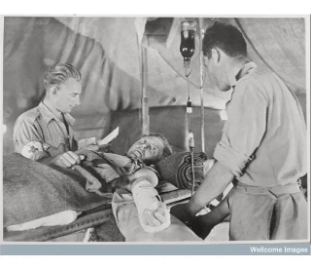
It is easy to look back at the Spanish Civil War and only see the destruction: the bombs, the ruined streets and the lives lost. But out of that chaos came an innovation that permanently changed emergency medicine. Durán-Jordà and thousands of ordinary citizens showed that blood did not have to stay where it was donated. It could be preserved, transported and delivered wherever it was needed.
By turning seafood trucks into lifelines, they helped transform blood transfusion from a desperate procedure into an organised system capable of reaching people far from a hospital. In the middle of a war that destroyed countless lives, Barcelona had found a way to save them.

