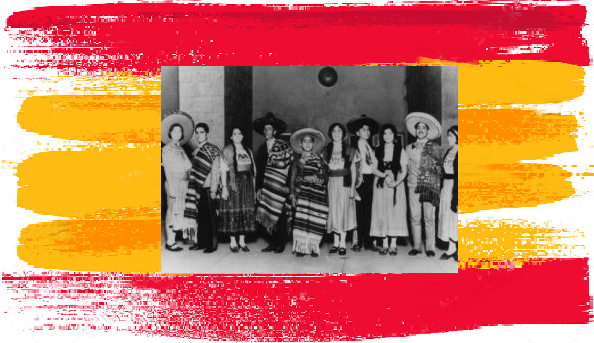
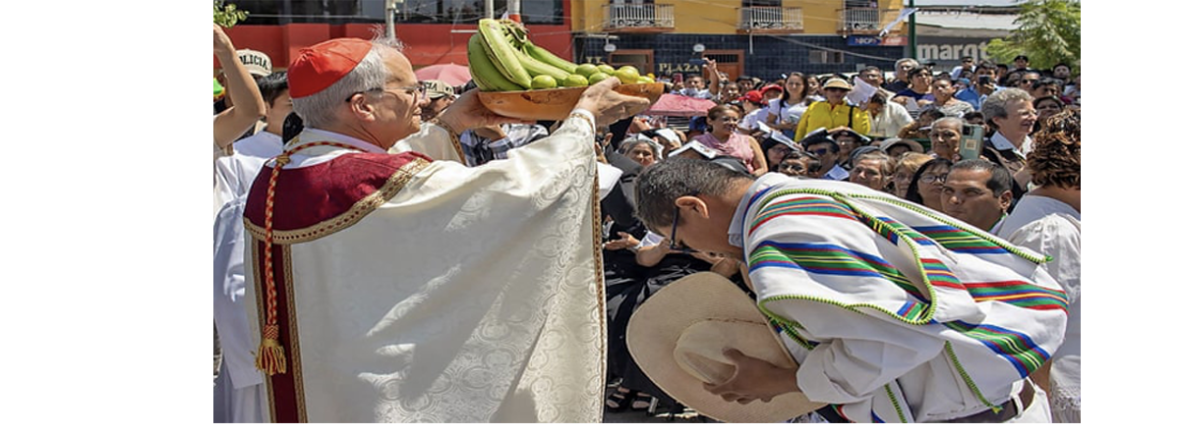
Officially, you may not need to be versed in Spanish-American culture to become Pope, but it clearly does no harm. Before their papacies Pope Leo XIV learnt Spanish and immersed himself in community development projects in Peru, and Pope Francis taught Spanish literature in Buenos Aires. We fondly remember the latter in our reflection on the first Latin American pope.
One institution that Pope Francis endorsed while Archbishop of Buenos Aires was the Hogar el Alba, the last surviving orphanage founded in Buenos Aires by British emigré philanthropist William Morris. Against all odds it has weathered the storms of Argentine history to reach its centenary. We hear its heart-warming story, but also a warning about the dangers that lie ahead.
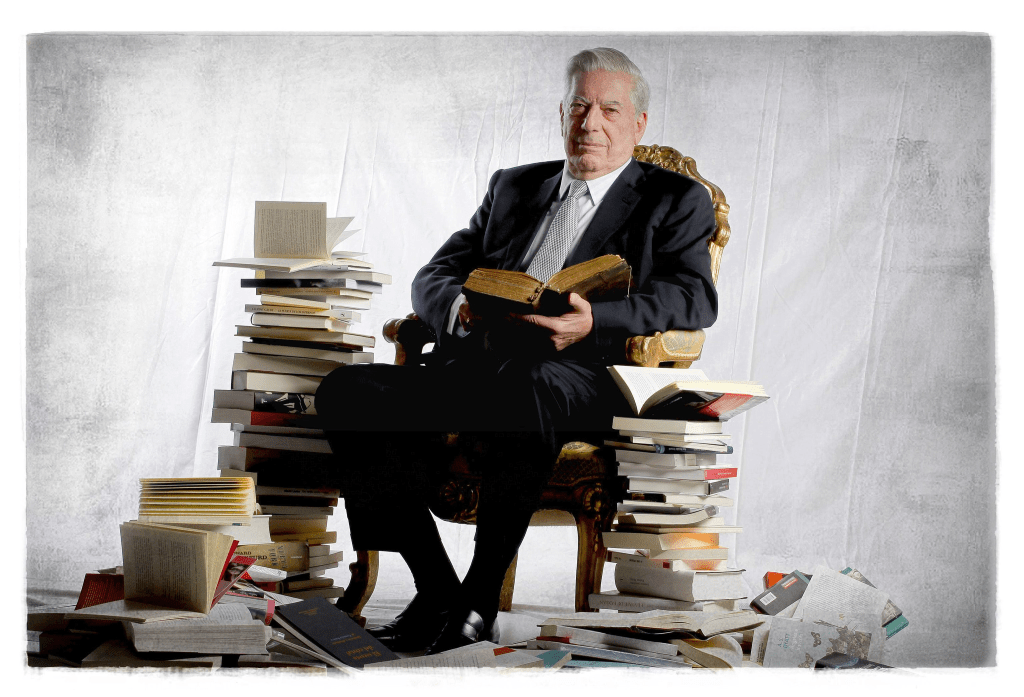
The centre-piece of this edition is a special supplement on teaching and studying literature – packed with practical tips from experienced teacher-examiners. If it inspires our readers to send in further suggestions, then so much the better.
One joy of studying Spanish is following the life story of intriguing and larger-than-life characters from the Spanish-speaking world. One such has been the late Mario Vargas Llosa: we review his impact both in Latin America and on literature more widely (in Spanish).
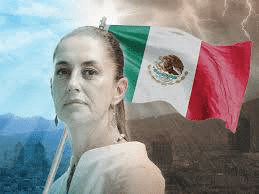
We also turn our attention to Latin America’s most eminent woman, Mexican President Claudia Sheinbaum, six months into her term as she grapples with crime, tariffs and her predecessor’s continuing influence. Is Mexican democracy safe in her hands? (In Spanish, with an English translation.)
Continuing our series marking 50 years since the end of Spain’s dictatorship, we look at the problematic legacy of el franquismo, with reference to 2023’s Ley de Memoria Democrática (in Spanish). (For more on this topic in English, see BAS 4.2 p25 to 30.)
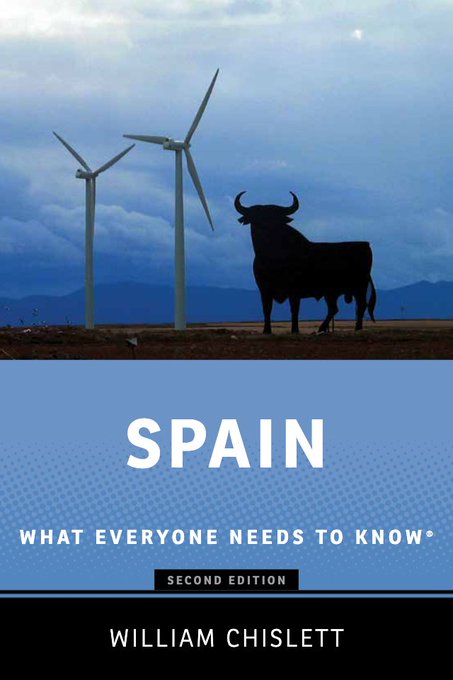
An updated edition of William Chislett’s Spain: what everyone needs to know is out this summer, and is essential reading for Hispanists. We publish an extract in which the author looks ahead to the challenges facing Spain in years to come. We also publish a review (in Spanish) of his other new work, Los curiosos impertinentes, with its tales of pre-21st century English travellers to Spain.
The arrival of summer means it’s time to start thinking about this year’s University of Glasgow / Bulletin of Advanced Spanish Sixth Form Essay Competition. The winning entry wins an Amazon voucher and publication in our Autumn edition, but last year four other commended entries were also published in subsequent editions. See our Index for past winners and judges’ comments.
The Bulletin of Advanced Spanish is a free resource, read on every continent, written by and for enthusiasts at all stages of their exploration of the language and culture of the Spanish-speaking world. Please see the Guidelines tab if you would like to write for us. Articles for our Autumn edition should please reach us by 20 September 2025.
Feliz verano,
The BAS editorial team
 Bulletin of Advanced Spanish