Winning entry – BAS/UOG Sixth Form Essay Competition 2025
Prize-winner Ella Johnston writes: “I started my Spanish learning journey in Year 9 and was drawn to how the language offers insight into so many wider cultural, political, and social issues. The essay topic I chose reflects this, tying in themes such as ethical responsibilities of businesses and exploring international markets.”
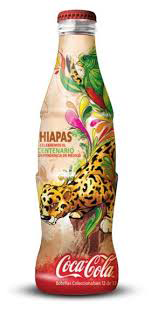
In Chiapas, the southernmost and poorest state of Mexico, Coca Cola consumption is the highest in the world. In this region, locals consume on average 2.2 litres of the soft drink a day, that’s around 800 litres a year. In the state of Chiapas, Coca Cola is a significant part of life and even the children begin to drink Coca Cola from as young as six months old as it is often used to wean infants off milk. It is important at this point to note that ‘healthier’ alternatives of the original Coca Cola such as Diet Coke and Coke Zero are virtually non- existent, meaning that the average person in Chiapas consumes 238 grams of sugar a day purely from their daily Coca Cola intake (the recommended daily intake is 30 grams). In this area over 40% of adults are obese, over 35% have diabetes and diabetes is the second leading cause of death. It therefore must be asked, before we can address the cause of this devastating problem, why do people in Chiapas drink so much Coca Cola?
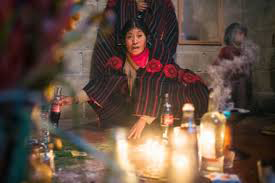
There are many factors which contribute to the high levels of Coca Cola consumption in Chiapas. One of these is cultural and social factors. Over the years, Coca Cola has become deeply embedded in Mexican culture. In some communities, particularly in the southern states such as Chiapas, Coca Cola is used in religious rituals and celebrations. This integration into daily life has contributed to its widespread consumption. Coca Cola is highly visible in Mexican society. It is available in small stores, markets, schools and workplaces, making it a convenient choice for all social groups. The drink has become a symbol of celebration and hospitality in many areas. Bottles of Coca Cola are even placed on graves because of how important the product is in many people’s lives.
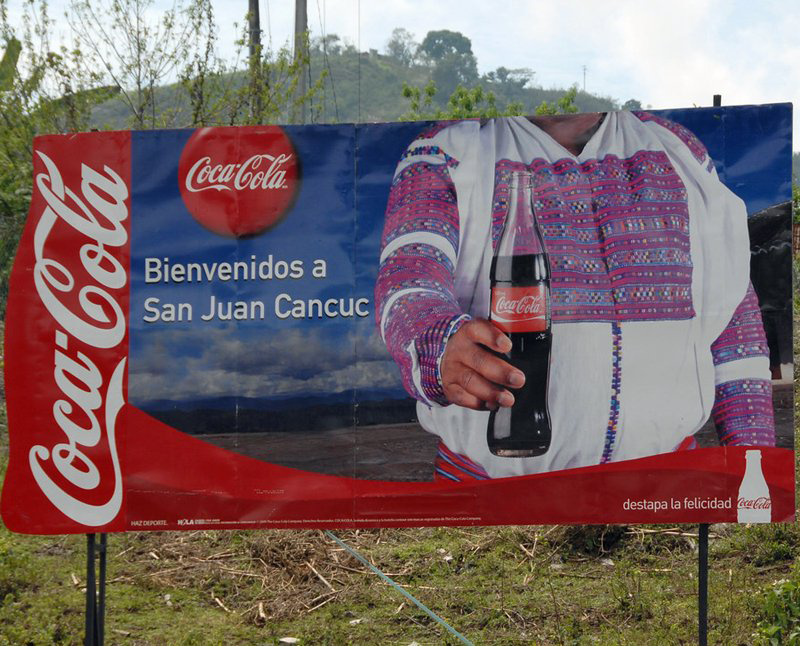
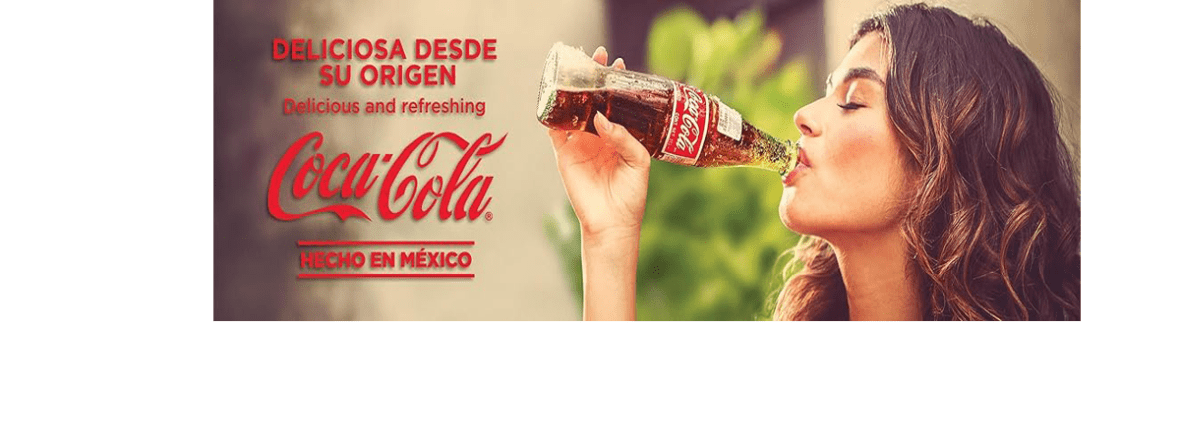
Another factor contributing to the excessive consumption of the drink is the aggressive marketing and branding. Coca Cola’s marketing strategy in Mexico has been highly effective. The company has invested disproportionately in advertising in this region, targeting all segments of the population, from children to adults. This has increased its appeal, creating a brand loyalty that spans generations. Coca Cola has sponsored festivals, public events, basketball courts and even educational programmes, reinforcing its image as a community- focused brand. This has created a sense of loyalty to the brand beyond just a product, making it harder for health campaigns to compete.
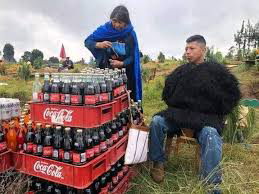
Economic accessibility of the product has also contributed to the high intake. In many parts of Mexico, sugary drinks like Coca Cola are often cheaper than bottled water or healthier beverages, particularly in rural and low-income communities. A two-litre bottle of Coca Cola can be bought for $28 pesos (£1.07) which undercuts the price of bottled water. For many, Coca Cola offers an affordable and accessible source of calories, leading to its overconsumption. Coca Cola is readily accessible, sold in even the most remote areas of the country. Its extensive distribution network ensures that it reaches every corner of Mexico, making it difficult for healthier alternatives to compete.
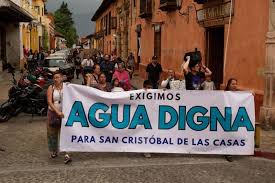
Additionally, water scarcity and infrastructure problems, such as the availability of clean water, accessibility issues and privatisation of water sources increases the price of water both from taps (although in many places this is not safe to drink) and bottled. The few bottles of water which are available for sale are mostly the brand Ciel. Ciel is a brand of bottled water owned by Coca Cola, meaning that they can control the pricing of the water to encourage people to buy Coca Cola. As it is a more addictive drink, they are likely to buy more of it than water, meaning that Coca Cola can increase their sales revenue. The Coca Cola bottling plant in San Cristobal drains up to 3.8 million litres of water a day, depleting the local source of drinking water and selling it back to locals in the form of sugary Coca Cola they typically choose in favour of water from the Ciel brand.
Coca Cola target low-income areas and people who are unemployed, and give them the ability to set up a shop by providing fridges, chairs, and tables. In return, Coca Cola then expects these shops to sell their products, enabling Coca Cola to be sold in even some of the most remote areas in the region. Meaning that all people have access to it.
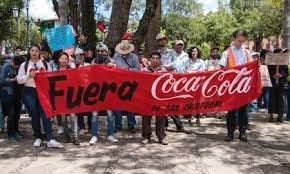
The Coca Cola overconsumption crisis in Chiapas is the result of a combination of cultural, economic, and environmental factors. The use of Coca Cola in religious and social contexts, combined with its affordability, widespread availability and aggressive marketing has entrenched the drink in local life. Water scarcity and limited access to clean drinking water further exacerbates this problem, pushing people to rely on sugary beverages. Addressing this crisis will require a multifaceted approach, including improving water access, strengthening public health campaigns, and reducing Coca Cola’s influence on the region.
Bibliography
SBS news article – 2022 – Francesca De Nuccio https://www.sbs.com.au/news/dateline/article/this-small-town-in-mexico-is-addicted-to-coca- cola-it-also-grapples-with-a-deadly-disease/p1m2g5dtd
Doog Reporter – 2021 – Mirko Maren
https://doogreporter.com/en/mexico-and-sparkling-drinks-the-other-side-of-a-culture/
The Economic Times – 2024 –
The Everyday Magazine – Liv McCaughey
https://theeverydaymagazine.co.uk/opinion/cola-cola-and-mexico
NHS
https://www.nhs.uk/live-well/eat-well/food-types/how-does-sugar-in-our-diet-affect-our-health/
American Heart Association
https://www.heart.org/en/healthy-living/healthy-eating/eat-smart/sugar/how-much-sugar-is- too-much
Coca Cola
 Bulletin of Advanced Spanish