
Millie Jeffries, Year 13 student of Spanish
There are a curious number of similarities between Federico García Lorca (poet and playwright,1898-1936) and Pedro Almodóvar (scriptwriter and film director, 1949-).
Both are gay artists whose work has explored themes of women, rural life, and society. Both are key figures in Spanish cultural history. Almodóvar has cited Lorca as one of his creative inspirations, but to what extent is Almodóvar continuing a social movement that Lorca began?
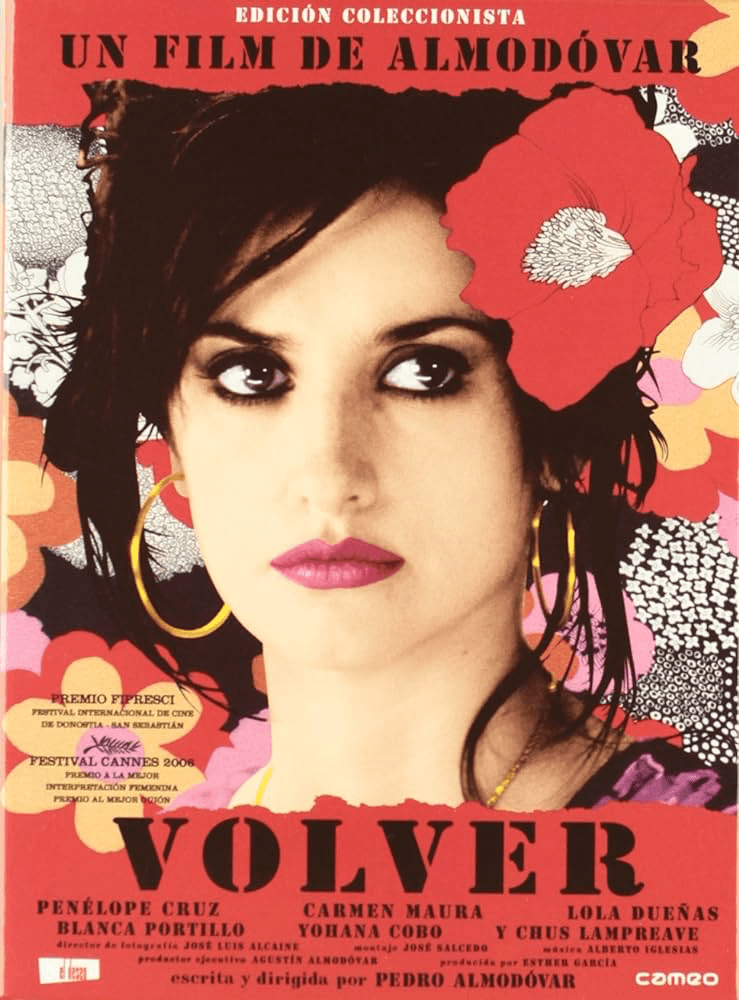
Initially, we can compare their creative work. For example, comparisons can be made between Lorca’s 1936 play, his last, La Casa de Bernarda Alba, and Almodóvar’s 2006 film Volver. The key theme running through both these works is women and their place in society. They tell their stories and present their struggles while showing the complexity of the relationships between them.
Equally, both stories feature men in a very minor role. The specific similarity is that, in both stories, a male character is central to the plot – Paco and Raimunda’s father in Volver, Pepe in La Casa de Bernarda Alba – yet does not appear in person. In La Casa de Bernarda Alba, there are no men on the stage at any time, while in Volver the male characters are secondary and mainly a source of difficulties.
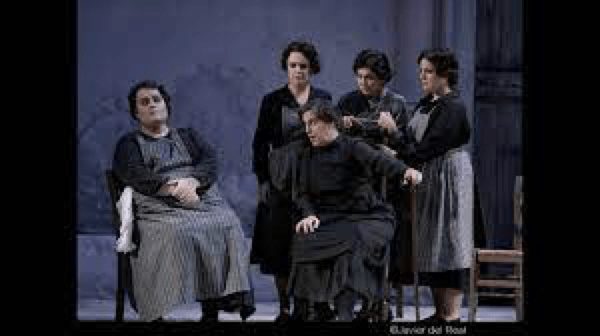
Perhaps a notable difference is that Lorca does feature some less favourable female characters, such as Bernarda herself, which could be said to show that Lorca was not idolising women but simply trying to give them greater and more diverse representation in Spanish theatre. Furthermore, many of the women Almodóvar brings to life pull together in ways that make them stronger, a concept seemingly lacking in the way Lorca arranges his female narrative.
The rural setting is a vital part of both works. Volver returns to Almodóvar’s place of birth in La Mancha and explores the differences between rural life and city life in terms of beliefs and culture. In this way, he is very much commenting on Spanish society. Lorca, on the other hand, made a more direct attack on society. A pertinent example of this would be in his play Yerma, whose title character is a woman trapped by societal expectations to be an obedient, child-bearing wife when she is unable to conceive. This pressure leads her to madness and eventually the murder of her husband – an act arguably symbolic of the patriarchal attitudes that Lorca felt women were fighting against. Lorca’s exploration of how women were valued in contemporary Spain attacked the fixed attitudes of 1930s rural society. While there is no alternative lifestyle portrayed, there is an implied hope for improved rights and a future for women.
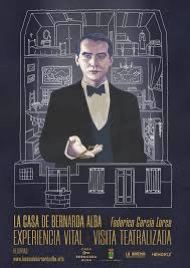
Despite the similarities in the subject matters they have explored, they both had different reasons for doing so. Almodóvar’s interest in the female narrative came from his background and upbringing in which his father was largely absent and he felt more attachment and acceptance from his mother and his sisters. On the other hand, Lorca had more issues with society’s treatment of women, which made his approach less personal and more implicitly political.
Much of Lorca’s work was revolutionary in its thematic breadth, and it’s clear that he was brave enough to go against the current in a bid to change society. His influence and ability to affect how people thought are evident in the tragic way he was eliminated by extreme right-wing sympathisers.

More than 40 years later, Almodóvar was a leading figure in the Movida madrileña following the end of the dictatorship in Spain. The Movida was a tongue-in-cheek cultural resurgence which helped Spanish society ‘catch up’ after years of creative repression. The art being created was deliberately irreverent and subversive. The bold strokes of Almodóvar’s films and music inspired this cultural revolution and helped to make Spain the thriving culture that it is today. In many ways, Almodóvar rekindled the ideas that infused Lorca’s work before his tragic death.
Although there is much mystery surrounding the exact circumstances of Lorca’s execution, it is widely agreed that he was persecuted for his sexuality as well as his pioneering socio-political beliefs. Almodóvar, by contrast, can acknowledge his sexuality and be seen as a figurehead for LGBTQIA+ pride. He brings gay, lesbian, bisexual, and transgendered Hispanic characters to the screen without fanfare, focusing on their humanity rather than their ‘difference’.
Overall, the divergence in how the two men’s lives played out shows how Spanish society has changed. It is now a progressive society in which institutionalised homophobia and stifling of creativity is outdated and unacceptable. If Lorca had lived to see modern Spain, I think he would be proud of how far society has come and the way in which his work continues to influence the fight for female representation and the freedom to be who you are.
 Bulletin of Advanced Spanish