By Dr Azariah Alfante, lecturer in Hispanic Studies at the University of Glasgow.
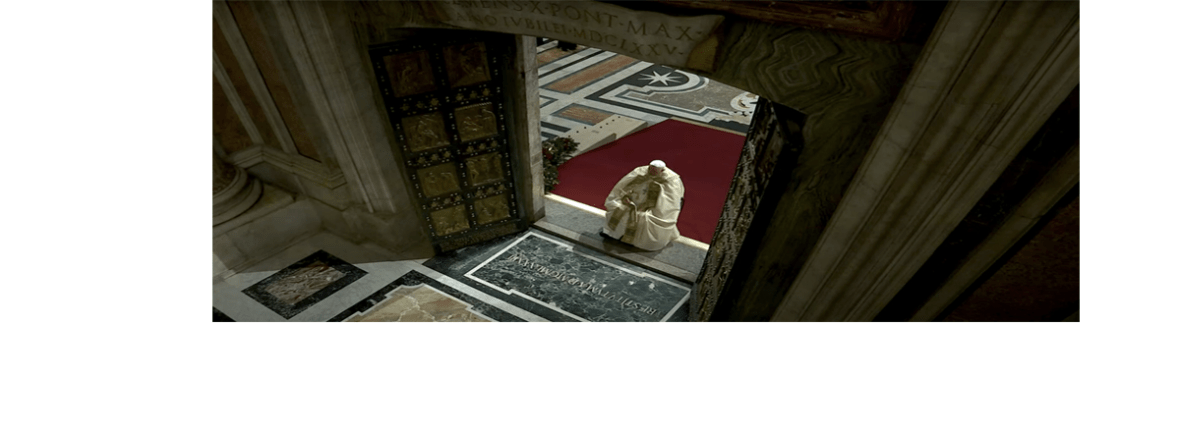
On the last day of his life Pope Francis emerged into the spring sunshine to greet the Easter crowds in St Peter’s Square. When he died the next morning, the end of his twelve-year papacy coincided with Easter Monday in the Jubilee Year, when Holy Doors are opened, and messages of hope abound. The timing did not pass unnoticed by Catholics, many of whom believe that nothing really happens by chance.
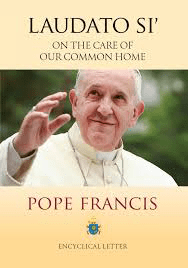
In the mainstream media, Pope Francis was admired by non-Catholics and Catholics alike. In his letters and speeches, he addressed all manner of global issues (social justice, care for the earth) and ecclesial crises (clerical authority, finances). His 2015 encyclical Laudato Si’ warned against the dangers of unbridled human activity on the natural environment, while his 2020 encyclical Fratelli Tutti called for universal brotherhood and inter-religious harmony. His stance on many issues aligned with that of the West. He will always be remembered as a staunch advocate for world peace.
Papa Francisco came to us doubly from the Hispanic world: he was the first Latin American pope, and the first Jesuit pope. Born Jorge Mario Bergoglio in Buenos Aires in 1936, he grew up in a world of political turmoil, witnessing at first hand the demagoguery of Peronism and the inhumanity of the ensuing military distatorships.
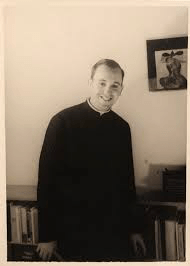
In 1960 he was accepted into the Society of Jesus (Jesuits), a religious order established by the Basque saint and former soldier, Ignatius of Loyola (1491–1556). Over the centuries, this order weathered many a martyrdom and expulsion throughout its missions.
Pope Francis’ personal and religious backgrounds largely explain his focus on the vulnerable, the outsiders and the minorities. His pontificate at a time of insuperable social, economic and spiritual crises must have been difficult. He dealt with not only the Church in Rome, but also the Church in every country, and not just with ecclesiastical leaders, but political leaders too.
In a recent interview on Argentine radio, journalist and researcher Diego Mauro commented on the Pope’s significance as a global diplomatic figure who established a “cultura sinodal” through a series of dialogues. Nevertheless, where does this “Papa político” belong? To the world, or to the Church?
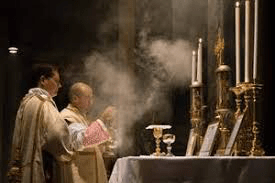
More specifically, the Latin Mass—the Church’s traditional form of worship, no longer available to many communities—was mentioned in a comment about identity being based on tradition. Francis’ 2021 apostolic letter Traditiones Custodis distressed traditionalist Catholics by restricting the celebration of this ancient rite of worship. In his reflection, Bishop Robert Barron writes that, in this regard, the Holy Father struggled to unify his own spiritual family. Many Catholics felt confused and displaced.
If we talk about religion in the Hispanic context, Catholicism will be most people’s first association. From my own experience of studying, researching, and teaching cultural histories of the Hispanic world, I have come across many positive and negative understandings of the Catholic Church, as befits its status as a global institution.
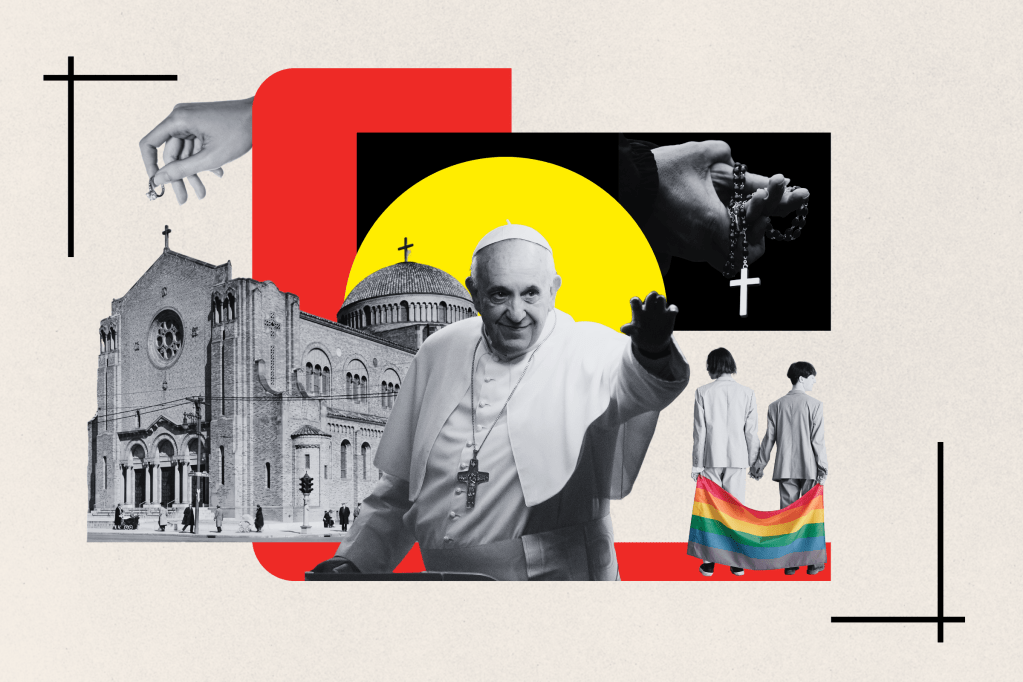
It is not surprising that controversy is an inherent feature of papal authority. Like his predecessors, Pope Francis was not the whole Church. Nor was he a politician. His pontificate revealed the clash of religious principles with those of the world. As society’s priorities shift, as modernity turns our attention to the material more than the spiritual, as church attendance continues to decline, we can only conclude that the two worlds are distinct. Although Pope Francis attempted to unite them, the divides became even more pronounced.
His legacy thus highlights the myriad challenges of leading a global religious institution today. At this crossroads, the questions for believers might be: What role do (might? should?) religious teachings and traditions play in my life? What did Pope Francis do for us? What can the next Bishop of Rome do for us? Who is “us”?
There are no easy answers. Like everyone else, I have my own thoughts about Francis’ leadership and priorities. But for now, as a member of his spiritual family, I will join others in thinking of the Holy Father as he crosses the threshold into eternity. Que en paz descanse.
 Bulletin of Advanced Spanish