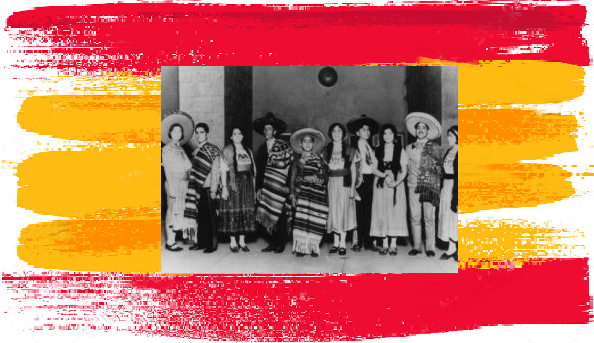
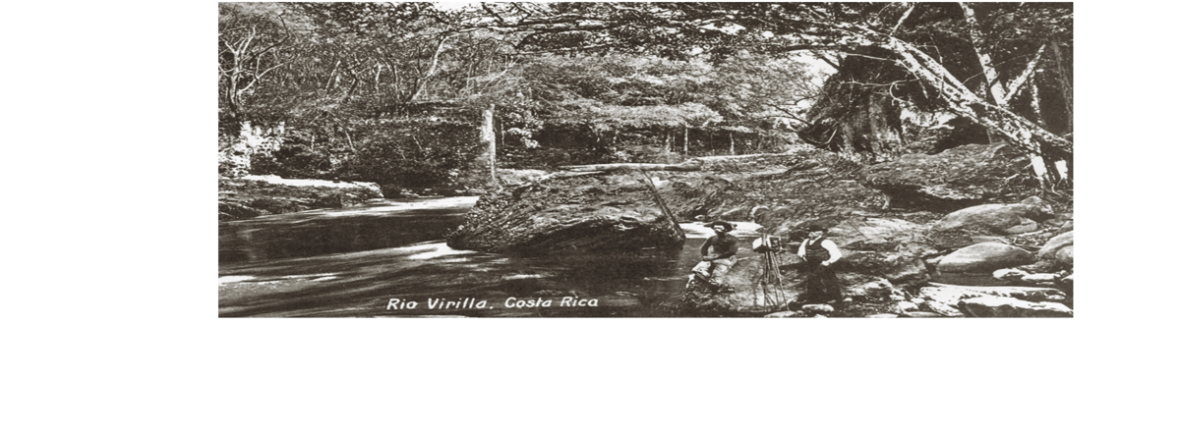
BAS editor Nathanial Gardner introduces his Companion to Latin American Photography (Tamesis Books 2025)
When the editors at Tamesis Books approached me about authoring a new addition to their series on Hispanic language, literature, and culture, I was in the final stages of writing The Study of Photography in Latin America for the University of New Mexico Press. Photography was already on my mind.
Tamesis’ new challenge excited me. Though I had many ideas, time has taught me that, when facing such a challenge, I do my best work if I take advice from others. So I turned to colleagues in the field and asked their advice as to what might be the best focus of a new book on Latin American photography, bearing in mind that this project would for most readers be an introduction to the topic.
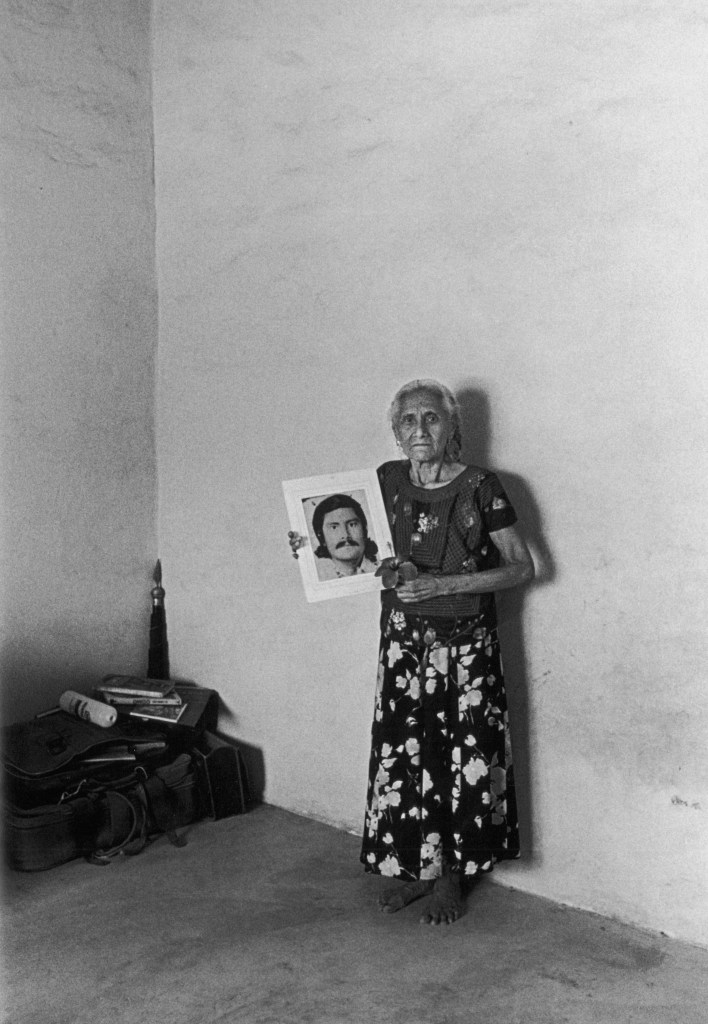
I received a lot of useful suggestions, but the idea that most chimed with me was from an expert who works in Brazil. Rather than making the focus about specific photographers, she advised that I instead divide the book into chapters that would allow me to focus on ways in which photography can help the viewer better understand Latin America.
Her suggestion gave me inspiration and I began to write. It allowed me to show the reader the impact of photography in our daily lives, and how it is part of the past and present of Latin America. It gave me the freedom to draw upon images from across the enormous wealth of photography in Latin America. I could include classic photography by important photographers such as Manuel Álvarez Bravo and Graciela Iturbide, as well as photography that was completely unknown prior to the publication of this book. It enabled me to use photos from the earliest days of photography all the way up until recent days as I explored topics such as photography and women, photography and testimony, photography and power, as well as photography and translation.
The resulting publication – A Companion to Latin American Photography – demonstrates how the medium of photography acts as a witness, an agent, an archive, and more. It evidences how this technology can successfully (and very democratically) span the broad geographic expanse of Latin America, as well as (perhaps even more importantly) representing the social divide.
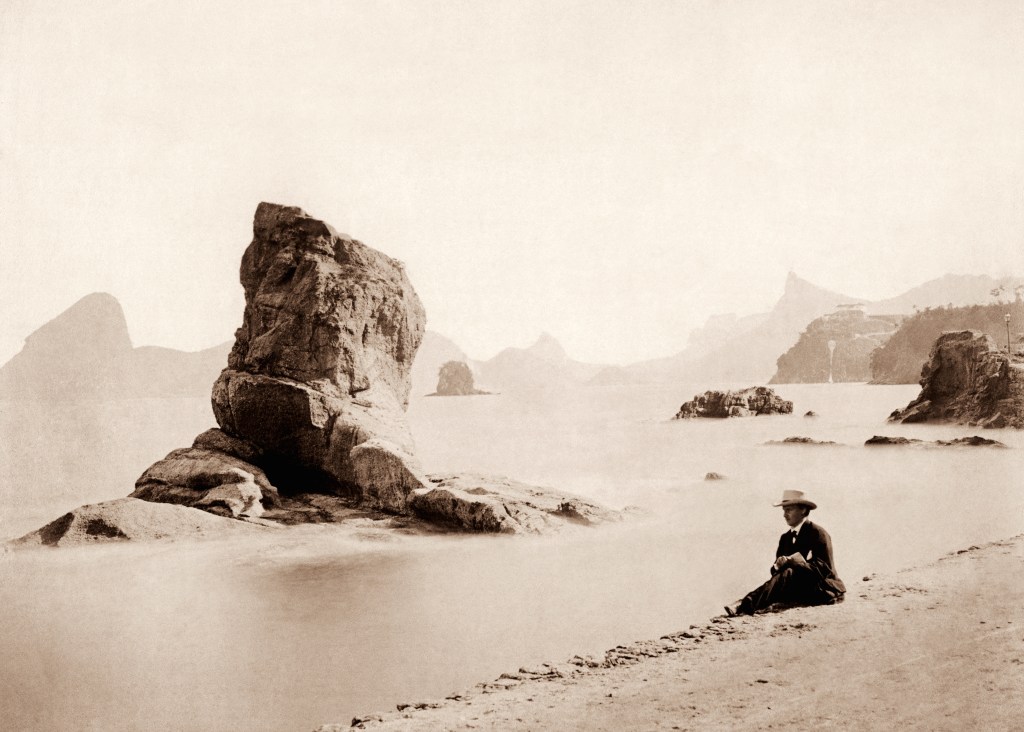
One of the many novel ideas that I explore in this book is the idea of photography as translation. This idea came to me while I was a visiting scholar in Salamanca, Spain. There, many conversations with translation experts enriched my thinking and helped me shape my explanations regarding how photography can be seen as a vehicle for transporting the past into the present. The notion of converting the lived past into other formats (photos) that can travel, be shared, or be employed by others, while moving across space and time in ways that the actual past cannot, helps us to think about images with added insight and critical analysis. Such translations are now key to how we as individuals and societies engage with the past, and to the evidence left behind for future engagements.

Another topic I explore is how photography allows us to see into areas of Latin American society to which we would normally not have access. One of the case studies I use for this is Daniela Rossell’s photo book Ricas y famosas, which, as you might guess, opens a door on to the lives of some of Mexico’s wealthiest citizens. Rossell’s work teaches us that the lives of the extremely economically fortunate are not like what one might see in ¡Hola! magazine. In fact, they are notably different, and this is precisely why such collections of images are so immensely valuable and ripe for analysis.
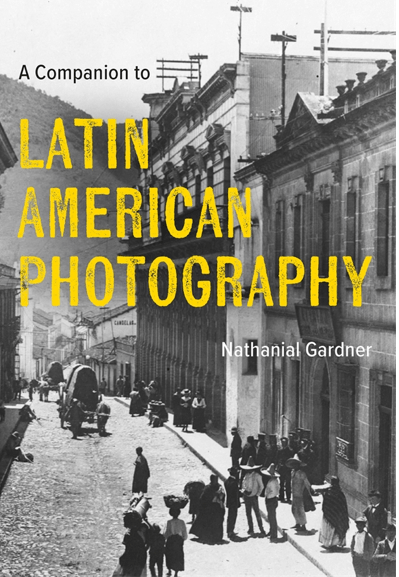
An author can continue indefinitely about what they write. For that reason, I will close by reminding you that, of all the ways in which modern society represents itself to others, photography is gaining tremendous ground. Yet, when was the last time you read something about how photography represents us and why it is important? That answer alone might be enough to inspire you to read this book. I hope you do.
 Bulletin of Advanced Spanish