BAS Production Editor Simon Butler
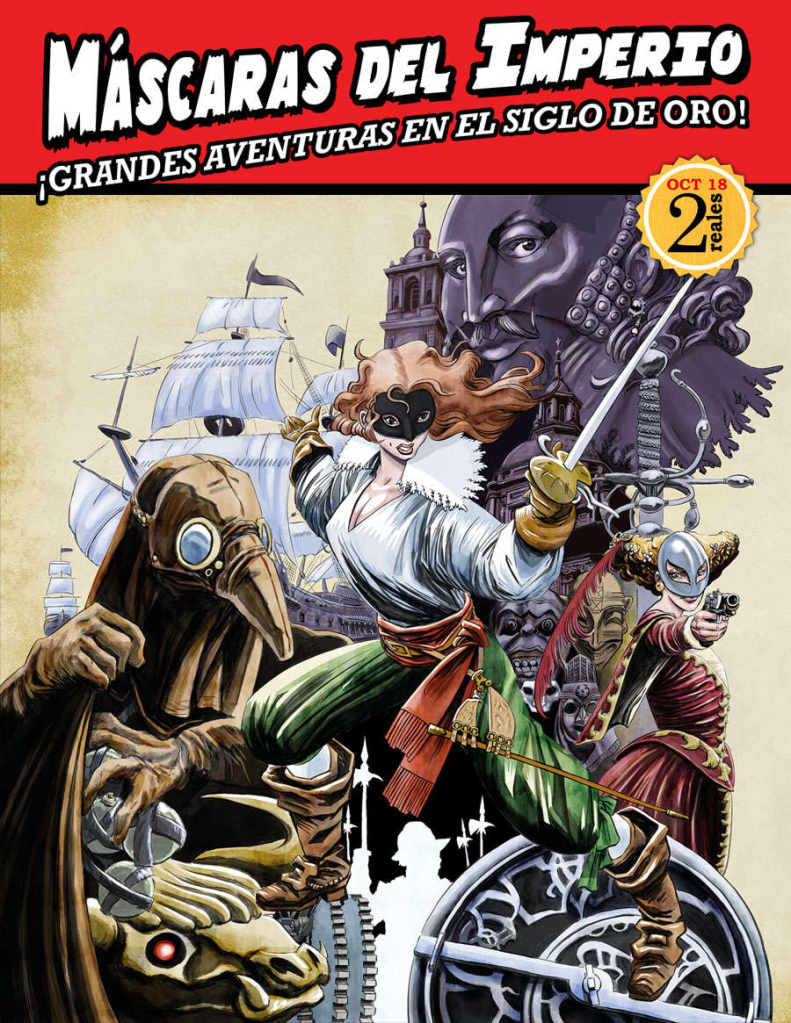
The year is 1620: the Spanish Empire is at its zenith, but France, Holland, England and Sweden are conspiring to undermine its power. In response, the ‘Order of the Hidden’ arises, sworn to defend the Empire from all external threats.
And that’s where you can come in, because the Máscaras del Imperio (Masks of the Empire) Tabletop Role-Playing Game (TTRPG) places participants in the thick of the action as Members of the Order.
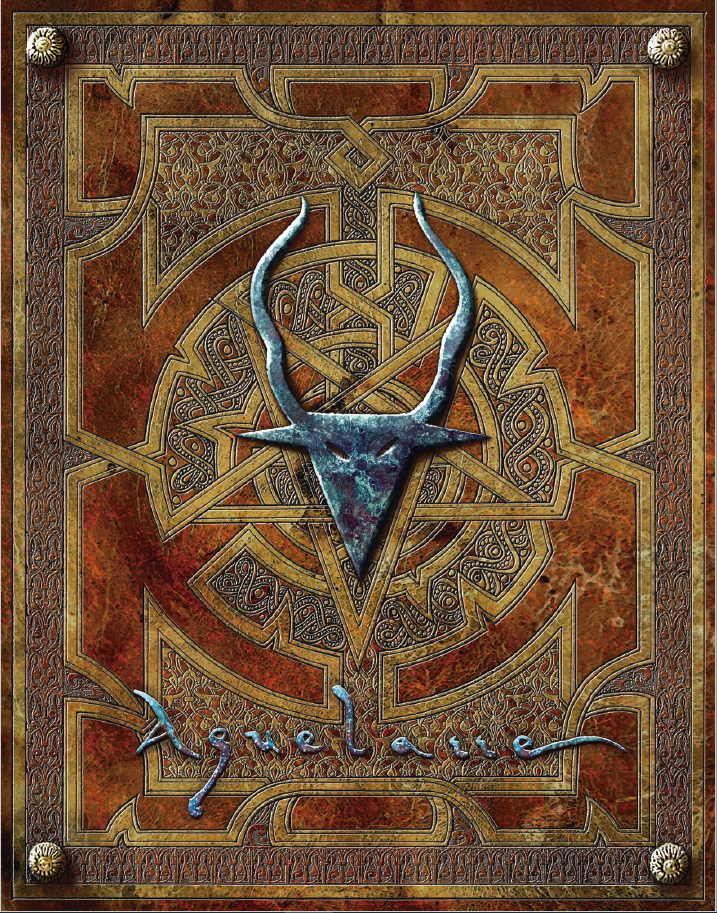
Or you might prefer to explore an earlier time in a game called Aquelarre, set against a backdrop of warring Iberian kingdoms and a rigid feudal system plagued by hunger and disease. Players choose a class for their characters and walk a fine line between living out their ordinary lives and using forbidden magic to improve their lot, gain experience and confront the Fraternitas Vera Lucis (Inquisition).
If TTRPGs are unfamiliar terrain for you, they use what is known to the cognoscenti as a tabletop-based improvisational format. They are usually organised by a Game Master (GM), who prepares the material and any required props. Typically, three or more players sit down with the GM and generate a character on a paper character sheet, including his or her statistics, occupation, skills, and background. Players then interactively play the game through their characters in an adventure that can take one or more two to four-hour sessions to complete.
With TTRPGs becoming increasingly popular worldwide, it’s worth taking stock of the educational, historical and cultural benefits for Spanish speakers. These games give people the chance to experience Spanish history and culture in a vivid manner, meet others with similar interests, and improve their Spanish.
After Franco’s dictatorship ended, cultural and social opportunities expanded in Spain, allowing the establishment of dedicated TTRPG communities. The interest in TTRPGs then spread throughout the Spanish-speaking world, with independent game publishers designing innovative products.
Spain provides a diverse historical backdrop for TTRPGs, with Romans, Carthaginians, Visigoths, and Moors all making significant contributions to its regional identities and culture. This history has inspired the creation of many TTRPGs.
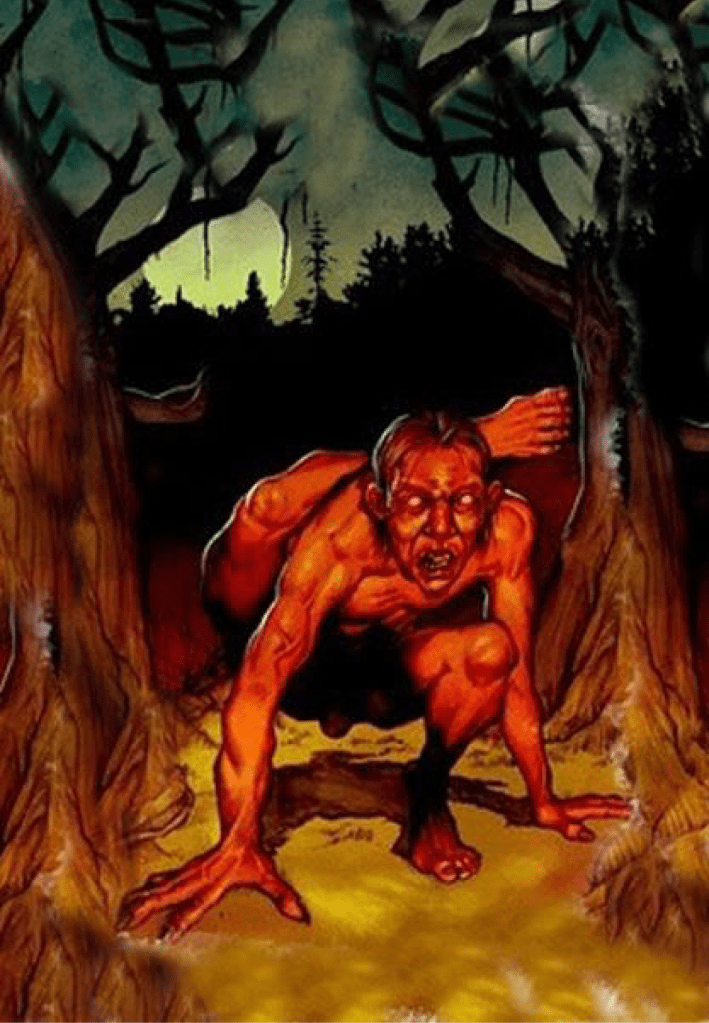
TTRPG publishers in the Americas have found inspiration both in the Conquest and in pre-Colombian mythology. For example, the Lovecraftian Cultos Innombrables explore legends, supernatural creatures and mythology from Latin America. One such draws on the folklore of Chiloé in southern Chile, where the mysterious Invunche stands as a guardian watching over the Cave of Quicavi, which serves as a witches’ coven. The coven is said to use an illuminated ghost ship to enslave local sailors. The witches have also cast a spell over the forest, so that its inhabitants can transform into birds that carry the coven’s messages.
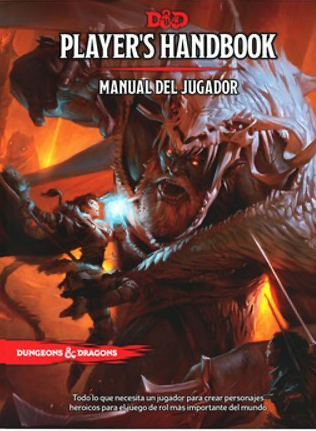
Many English TTRPGs, such as the game played most widely around the world, Dungeons & Dragons, have several of their core game books and adventures translated into Spanish. These include La Maldición de Strahd (Curse of Strahd) – gothic horror in the demiplane of Ravenloft; Viajes por la Ciudadela Radiante (Journeys Through the Radiant Citadel) – an anthology of thirteen adventures inspired by cultures across the world; and Dragonlance: La Sombra de la Reina de los Dragones (Shadow of the Dragon Queen) – set in the fantasy world of Krynn.
This is just a small sample of the TTRPGs that are now available in Spanish. For more information, and to find more games and interested players, I can recommend the PiedraBruja community website (Spanish) at https://piedrabruja.cl/
Links:
Cultos Innombrables: https://www.nosolorol.com/es/cultos-innombrables/85/cultos-innombrables-papel
Aquelarre: https://www.drivethrurpg.com/en/product/237059/
Máscaras del Imperio (Spanish): https://www.drivethrurpg.com/en/product/265006/mascaras-del-imperio/
 Bulletin of Advanced Spanish