Keila Archer
This year marks the 100th anniversary of the Hogar El Alba, a unique children’s home on the outskirts of Buenos Aires with a rich and inspiring history. Founded by the English philanthropist William Case Morris, Hogar El Alba remains the only one of more than two dozen homes he founded that is still operating today — a living legacy of compassion, resilience and love.
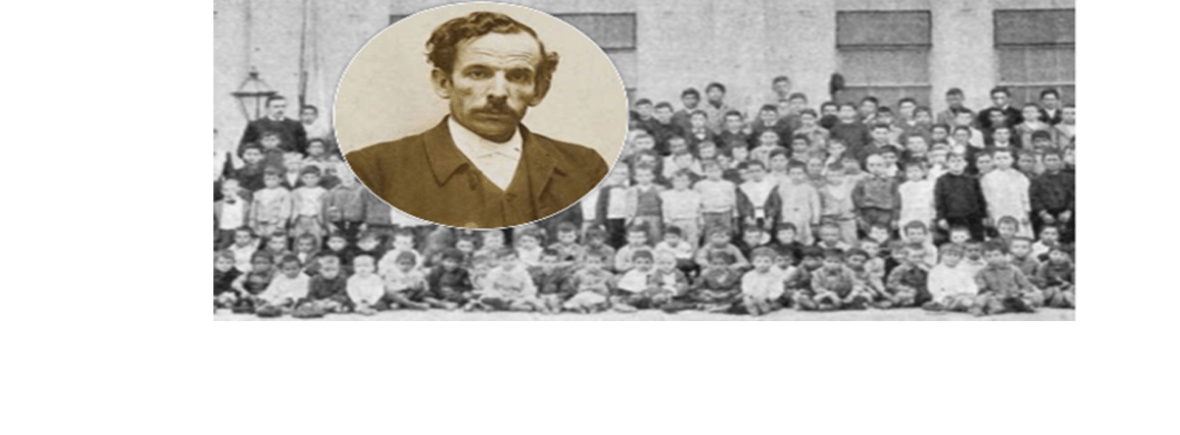
William Case Morris was born in 1864 in Soham, a small town in rural Cambridgeshire. When he was 4 years old, he lost his mother. Four years later, his father decided to move to South America in search of a new life.

They initially emigrated to Paraguay in 1872, when William was just 8 years old. Two years later they moved to Argentina, settling in a rural area where William had to work as a shepherd. In 1886 he relocated to Buenos Aires, earning a living painting ships in the port of Buenos Aires, close to some of the city’s roughest neighbourhoods. Touched by the wretchedness of the lives he saw, William devoted his spare time to trying to support them, beginning by teaching street children in the neighbourhood.

This was the start of William Morris’ mission to spend his life in the service of disadvantaged children in Argentina. He went on to found a number of institutions to serve this aim – schools, churches and orphanages – at a time when social support systems were almost non-existent. His orphanages were places of safety, education, and hope, providing children with not only shelter but also the tools to build better futures.
Over time, several of the homes were closed or transformed into schools, libraries, or social programmes under new administrations. Some of the most emblematic institutions stemming from his work remained active for a longer period, and his legacy continues today through schools and churches that bear his name.
One of his most enduring accomplishments was the foundation of the Hogar El Alba in the Palermo district of Buenos Aires on 29 May 1925. It housed 350 homeless children, and educated them in such practical skills as carpentry for the boys and dress-making for the girls.
In the 1950s it relocated to Longchamps, on the outskirts of the greater Buenos Aires area, to a former quinta (country house) adjacent to suburbs, shantytown and campo. The Hogar El Alba remains active there to this day, its doors still open to children in need, offering not just a roof and a meal, but a true home: one rooted in the values Morris so passionately upheld.

The Hogar currently looks after about 60 children at a time, of both sexes, whose ages range from 5 to 18 years old. Each of the five houses at Hogar el Alba can accommodate up to twelve children. Each child who comes to the Hogar has been referred there via the court system after their rights have been violated in their previous home environment. The Hogar gives them integrated physical, academic and spiritual education, as well as vocational qualifications before they depart.
Years have passed, children turned into adults, formed their own families, and developed their careers. But the home continues fulfilling that same dream of William Morris: loving and caring for children in vulnerable circumstances to offer them hope and a future.
At its centenary milestone, the Hogar El Alba is facing serious challenges. Argentina’s latest financial crisis has hit the home hard, choking off government funding and making it increasingly difficult to meet even the most basic needs of the children under its care. Keeping this extraordinary legacy alive for future generations is a hard task for those devoted to the lives it nurtures, but the Hogar has overcome previous crises and will spare no effort to survive this one too.

William Morris, once a painter of ships, devoted his life to painting brighter futures for children whose pasts and presents were dark, lonely, and hopeless. “El Alba” means “the dawn,” symbolising a new beginning for these children. In a way, Morris became a painter of light — bringing rays of hope into lives that had long lived in shadow. And this is exactly what the orphanage continues to do: welcoming children who have been mistreated, forgotten, or abused, and transforming their lives with love and care.
It has been said of William Case Morris that his was “one of those lives that sweetly invites others to believe in God.” This phrase captures the profound impact of his work — not through grand gestures, but through daily, faithful acts of kindness that transformed lives and communities.
Senior Editor Robin Wallis writes:

Since 2004 visiting the Hogar el Alba has proved a transformational experience for groups of Sixth Formers from UK schools. For further information, or to support Hogar El Alba in any way at this critical time, please reach out to Keila Archer at keila.m.archer@gmail.com. Alternatively, use the Bulletin’s Contact Us button and we will forward on your message.
 Bulletin of Advanced Spanish